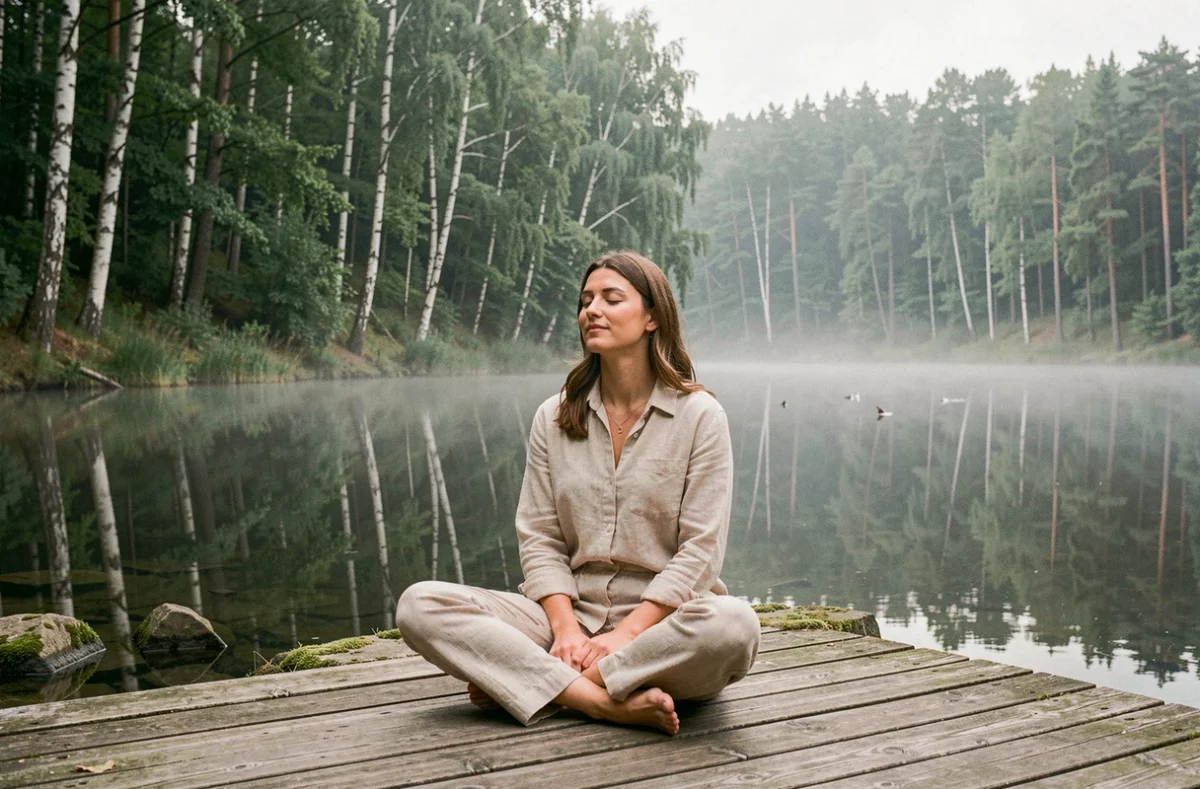
Leaving Paris to find the calm of a woodland or the silence of a garden is possible without driving for hours. Île-de-France is home to a variety of natural spaces, accessible by train or car in just half a day. However, one must know where to go, and especially how to enjoy these places without contributing to their degradation.
Forest visitation near Paris: a calm that must be earned
Most guides list forests and parks without mentioning a concrete issue: overcrowding. The ONF reports a steady increase in visitors to the Fontainebleau massif, accompanied by soil erosion and visible effects of climate change.
Searching for a peaceful haven in nature near Paris also means accepting that some popular sites no longer guarantee tranquility. Spring and autumn weekends concentrate visitors on the same marked trails, the same clearings, the same viewpoints.
To find calm, one often needs to adjust their schedule. An early morning departure during the week radically changes the experience. Less publicized state forests, such as those in Oise or southern Essonne, offer a concrete alternative to the saturated big names.
On the Normandy coast or in the Seine valley, places like Les Jardins de Camille allow for a combination of nature and attentive hospitality, far from the crowds of Île-de-France forest sites.
Biological reserves and guided trails: what regulations change
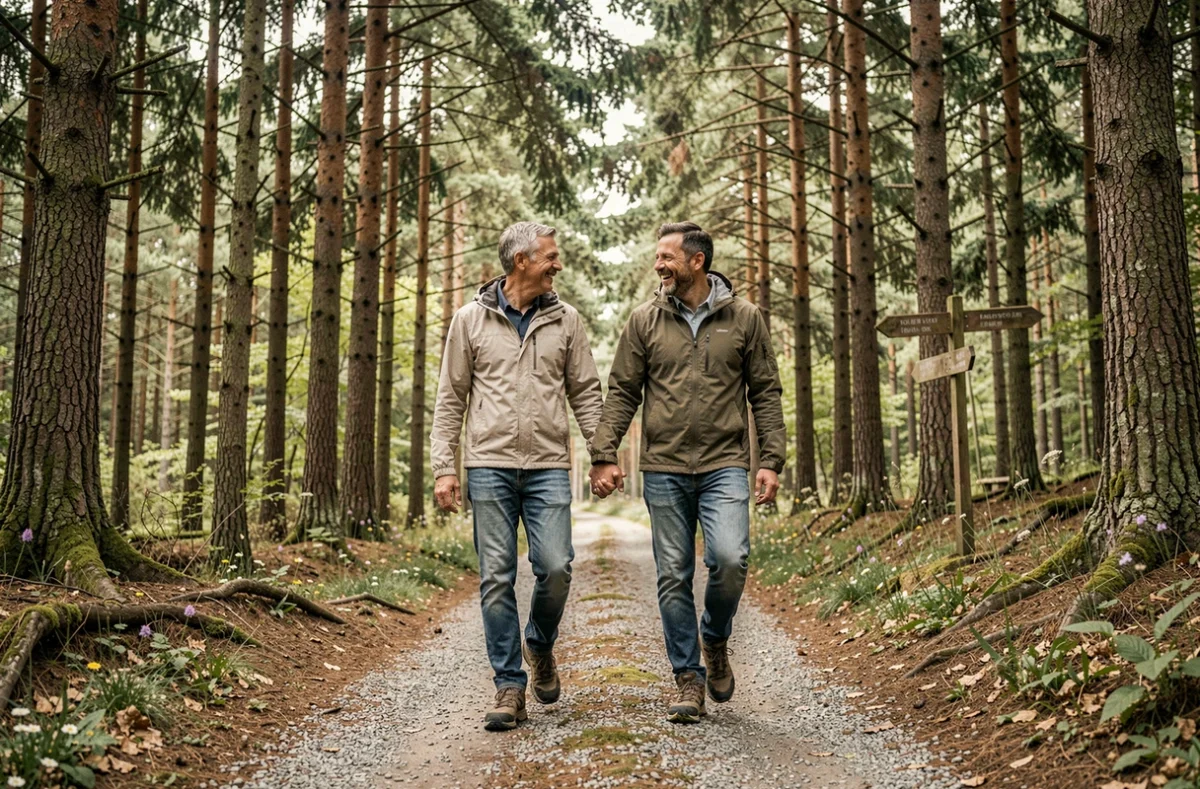
Have you ever noticed signs prohibiting access to certain paths in the forest? This is not an administrative whim. In the Belle-Croix biological reserve, in the Fontainebleau forest, some trails are closed or relocated to protect sensitive habitats. Sphagnum areas, for example, cannot withstand repeated trampling.
The protection status of a site determines what can be done there. In biological reserves, restrictions are clear:
- Gathering plants, mushrooms, or flowers may be limited or completely prohibited, even in small quantities
- Nature sports (mountain biking, climbing, trail running) are sometimes banned in certain areas to preserve wildlife
- Access to specific zones may be temporarily closed, especially during nesting or hunting periods
These rules vary from site to site. Checking the protection status before you go helps avoid unpleasant surprises. The ONF website details restrictions by state forest.
ONF Walker’s Charter: concrete actions to know
In 2024, the ONF published its Walker’s Charter, a document that formalizes expected behaviors in the forest. This is not just a reminder of common sense. The charter covers specific points that many visitors overlook.
Fires are prohibited in state forests, including camping stoves and portable barbecues. Waste must be taken away, not just gathered. Camping is regulated and often prohibited outside designated areas.
The charter also addresses coexistence with forestry operations. Logging machinery creates dangerous marked zones that must be circumvented, even if it lengthens the route. During hunting periods, certain areas are closed to the public according to a schedule available online.
A planning tool, not a list of prohibitions
Reading the charter before an outing allows you to choose the right time and place for a nature escape. A massif during hunting season does not offer the same serenity as an urban park on a Sunday morning. Anticipating these constraints is part of the experience.
Nature in the city and shared gardens: the Parisian alternative
The offer of nature near Paris is not limited to large forests. The city of Paris itself is developing its green spaces and has been internationally recognized for its work in favor of urban biodiversity.
Shared gardens, revamped parks, and renaturalized riverbanks offer accessible micro-breaks without transportation. For families with children, these spaces have a practical advantage: no need to plan an entire day.
Looking for a longer immersion? The Seine valley, between Paris and Normandy, combines historical heritage and preserved landscapes. Castles, public farms, and riverside trails allow you to create a complete nature weekend without exceeding two hours of driving.
Criteria for choosing your nature destination
- The actual distance by public transport, not just by car: some sites are an hour away by train but two hours by bus
- The level of visitation depending on the season: forests near Paris are crowded in autumn, less so in winter
- Access restrictions related to protection status: a biological reserve is not a leisure park
- The presence of activities suitable for children if you are traveling with family: educational farms, short marked trails, equipped picnic areas
A peaceful haven in the heart of nature near Paris exists, but it requires preparation. Consulting local rules, avoiding peak visitation times, and stepping off the most publicized paths transforms a simple outing into a true escape. The forests of Île-de-France, gardens, and Normandy valleys offer this breath of fresh air, provided we respect the environments that make it possible.