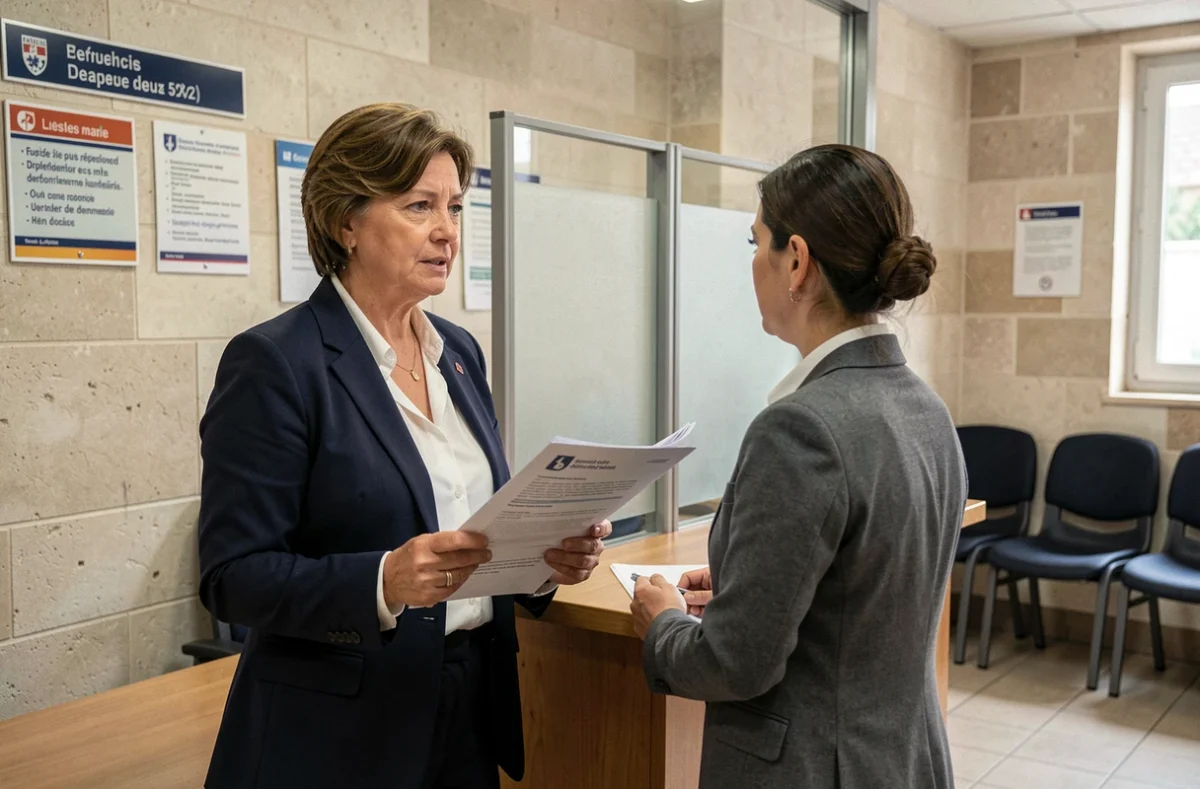
A letter sent to the town hall has gone unanswered for three months. The planning department has refused a permit without giving a clear explanation. Noise from a municipal construction site is making the neighborhood unbearable, and no one answers the phone at the switchboard. Filing a complaint with your town hall means choosing the right channel, following certain formalities, and knowing which steps can compel the administration to respond.
Complaining to the town hall: prepare a file the department can’t ignore
Before writing anything, gather the supporting documents. A complaint without a case reference, a copy of the decision being challenged, or a specific date can end up in an anonymous pile. The department receiving your letter should be able to identify the case in less than a minute.
Always include a copy of the decision or original letter, previous correspondence (emails, acknowledgments of receipt), and any documents supporting your request: photos, readings, or statements from neighbors. A complete file speeds up processing because it saves the caseworker from having to track down missing information.
Tone matters as much as substance. An aggressive or threatening letter is likely to have the opposite effect to the one you want. Set out the facts, cite any applicable laws or references if you know them, and make a specific request: cancellation of a decision, compensation, or simply correction of an administrative error. The page explaining how to contact the town hall, according to CréAgencement outlines the different channels available depending on the size of the municipality.

Registered letter or online form: which complaint channel should you choose?
Most municipalities now offer a contact form on their website. For a straightforward report (a pothole, broken streetlight, or uncollected bin), this channel is enough. You’ll have a written record, and processing times are often shorter than by post.
For any complaint challenging an administrative decision, a registered letter with acknowledgment of receipt is still the only channel that protects your deadlines. The acknowledgment proves the date the town hall received your letter, which starts the response period. Without this document, it can be difficult to prove that you properly contacted the administration if a dispute arises later.
What to include in a registered letter
- The complainant’s full details (name, address, contact information), the case reference or decision being challenged, and its date
- A factual account in a few short paragraphs, without digressions or personal judgments about staff
- A clearly stated request: withdrawal of the decision, reconsideration of the case, compensation for harm, or simply a written explanation
- The words “informal appeal” if you are challenging a decision, so the administration can identify the nature of the letter
The distinction between an informal appeal (sent to the person who made the decision—in this case, the mayor) and a hierarchical appeal (sent to the prefect) is not merely a technicality. An informal appeal submitted within the deadline pauses the time limit for bringing a legal challenge, preserving the option of subsequently applying to the administrative court if you are dissatisfied with the response.
No response from the town hall after a complaint: practical next steps
Municipal administrations generally have two months to respond to an informal appeal. After that, no response counts as an implied rejection. You can then bring a legal challenge before the administrative court, but it’s worth trying a few other steps first.
Contact the Defender of Rights
Contacting the Defender of Rights is free and can be done online or through a local representative, available in most prefectures and justice centers. The Defender of Rights can contact the municipality to help move a case forward or propose mediation.
One important point that is often overlooked: contacting the Defender of Rights does not suspend the deadline for bringing a legal challenge. If the decision you are challenging specifies a deadline for applying to the court, that deadline continues to run during mediation. Keep track of the dates in parallel.
Contact an elected official or attend a public drop-in session
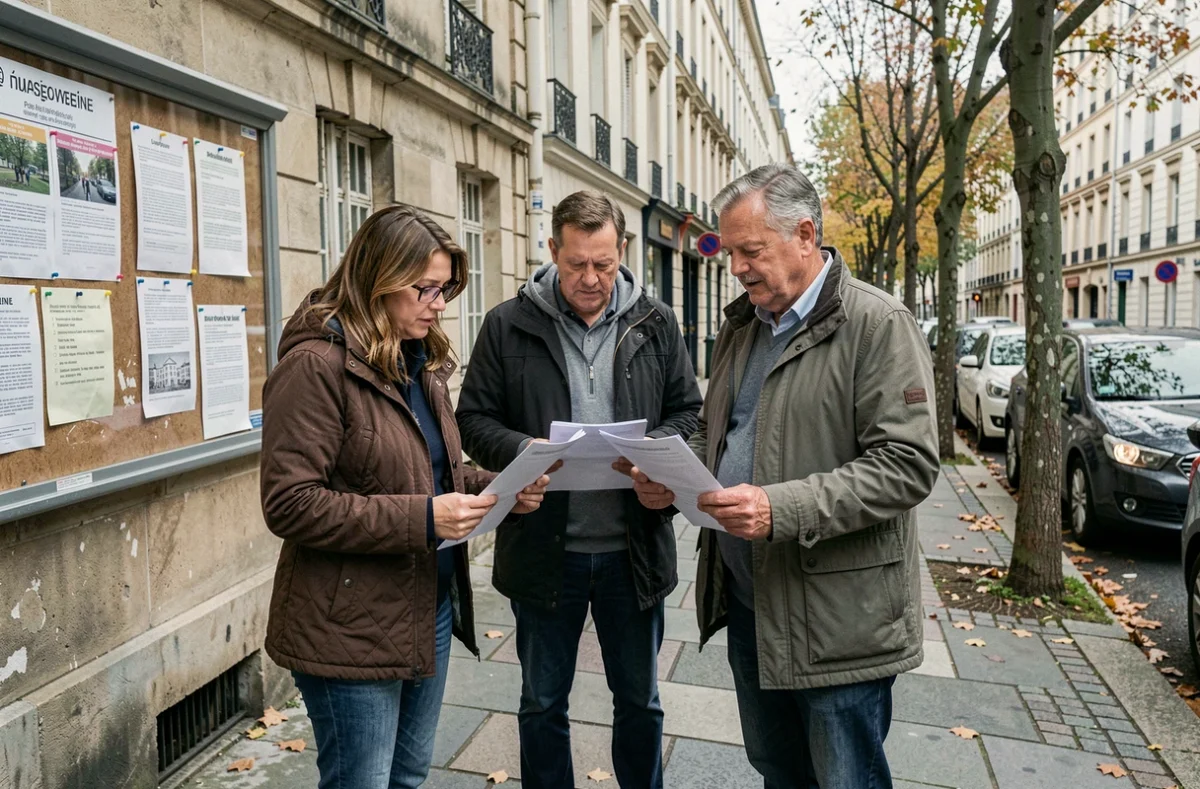
Mayors and deputy mayors generally hold drop-in sessions for residents. Presenting your case in person with the documents organized can sometimes resolve an administrative roadblock in just a few minutes. Direct contact tends to work better in smaller municipalities, where elected officials know the cases. In larger cities, it’s usually best to contact the deputy mayor responsible for the relevant area (planning, roads, or civil records).
Mediation and legal challenges: how far should you go in a dispute with the municipality?
Administrative mediation is not limited to public employees in conflict with their employer. A resident in a dispute with their municipality can propose mediation, even if it is not mandatory in their case. Some administrative courts have in-house mediators who can be contacted before a hearing.
A legal challenge before the administrative court is a last resort. You must first have received a rejection—or allowed one to arise through the administration’s silence. The application must be filed within the deadline stated in the decision, generally two months from notification or implied rejection.
You don’t need a lawyer to apply to the administrative court at first instance, except for certain compensation claims. You can file your application online through the Télérecours citoyens platform. It must set out the facts and legal grounds and include the decision being challenged.
- Informal appeal to the mayor: free, pauses the deadline for a legal challenge, response expected within two months
- Contacting the Defender of Rights: free, does not suspend deadlines, useful for moving a case forward or obtaining mediation
- Legal challenge before the administrative court: filed online through Télérecours citoyens, deadline of two months after rejection, lawyer not required at first instance (with some exceptions)
The vast majority of complaints submitted to town halls are resolved without going to court. Organizing your file from the first letter and choosing the right channel is usually enough to get a response. If the issue remains unresolved, an informal appeal followed by contacting the Defender of Rights offers two steps before any court proceedings—provided you keep a close eye on the deadlines running in parallel.