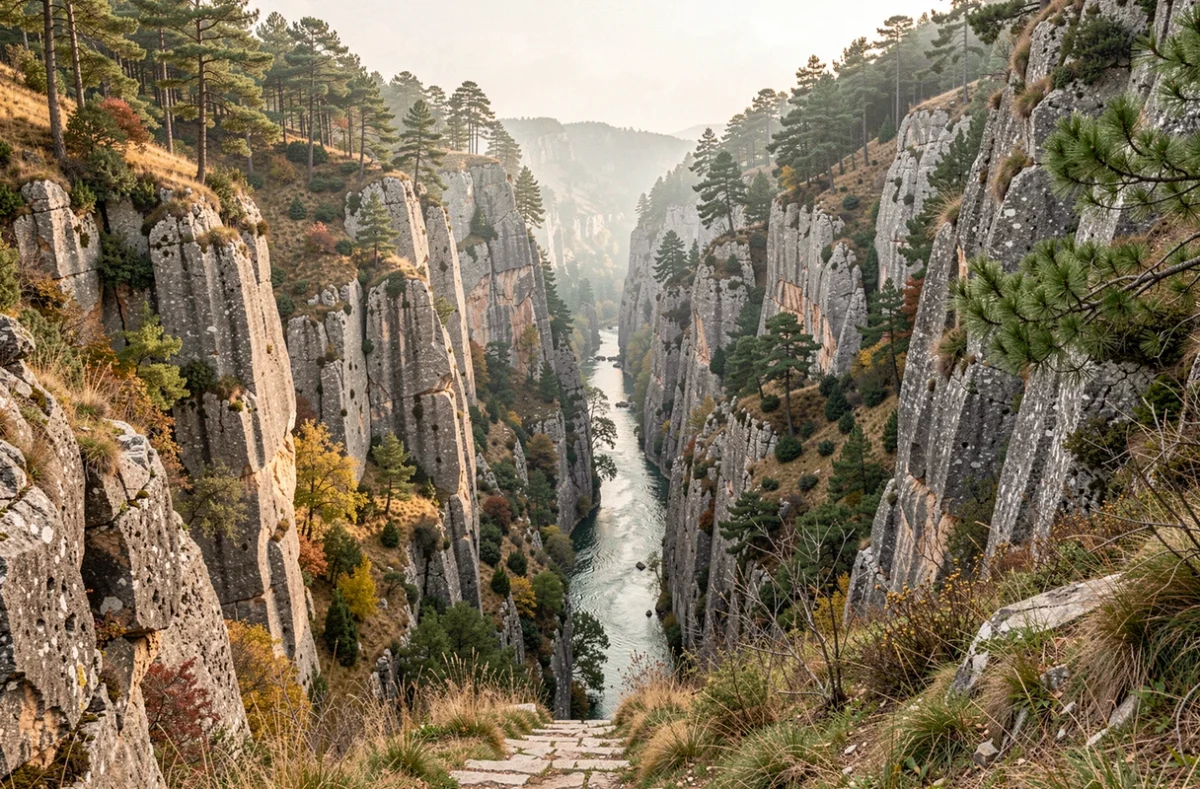
Between the Tarn Gorges, the Aubrac plateaus and the slopes of Mont Lozère, Lozère brings together geologically distinct landscapes across one of the least densely populated areas of France.
Visiting these sites year-round means taking seasonal restrictions into account: fire risk in summer, strict rules in the Cévennes National Park, and occasional swimming bans. Comparing these restrictions by season helps you choose the right time for each kind of discovery.
Seasonal restrictions in Lozère: what changes throughout the year
| Season | Accessible natural sites | Main restrictions | Villages accessible |
|---|---|---|---|
| Spring (March–May) | Tarn Gorges, causses, Aubrac in bloom | Trails can be muddy at higher elevations; some roads on Mont Lozère are closed | All accessible, with few visitors |
| Summer (June–August) | All sites, swimming in the Tarn and its tributaries | Possible prefectural orders: access to some mountain areas restricted, bivouacking limited, fires prohibited | Heavy visitor numbers in Sainte-Enimie and nearby Saint-Guilhem |
| Autumn (September–November) | Cévennes (autumn colours), Aubrac, gorges | Residual fire risk in September, shorter days | Moderate visitor numbers, more accommodation available |
| Winter (December–February) | Mont Lozère (snow), clear causses | Snow-covered roads at higher elevations, some trails impassable | Mende remains accessible; remote villages can be difficult to reach |
This table highlights a point that is often overlooked: summer is not always the freest season for hiking in Lozère. Fire-risk restrictions can close entire mountain areas by prefectural order. Up-to-date practical information is available at tourisme48.fr, which brings together the latest news from the department.
Cévennes National Park regulations: bivouacking, dogs and fires
The core area of Cévennes National Park has specific rules that affect any multi-day hike. Bivouacking is restricted to certain areas, between 7 p.m. and 9 a.m., near GR and GRP trails. The regulations were updated in December 2024, making many guides published before then outdated.
Dogs are allowed in the park’s core area as long as they are kept on a lead. Dogs must not roam freely, except for shepherd dogs at work. This is an important consideration when choosing routes for hikes with a dog.
During periods of drought, local bans go beyond campfires. They may include:
- Access to certain forested areas, including for ordinary hikes
- Bivouacking, which may be temporarily suspended even in areas where it is normally permitted
- Parking vehicles near wooded areas classified as high-risk
Checking prefectural guidance before setting out and again during your stay is the only reliable approach. Conditions can change within days during heatwaves.
Swimming in the Tarn and its tributaries: freedom with conditions
The Tarn Gorges draw visitors every summer with their clear waters and limestone cliffs. Swimming may seem unrestricted, but temporary bans do apply. Since 3 August 2026, the French Penal Code has provided for a third-class fine for failing to comply with a local swimming ban or a red flag warning.
This changes things for visitors used to swimming at unsupervised sites. A temporary prohibition sign due to water quality or river flow is now enough to make swimming punishable by a fine.
The best approach is to check the signs on site rather than rely on descriptions in blogs or forums from previous seasons. Water levels in the Tarn vary considerably between June and September.
Lozère villages accessible year-round: Mende, Sainte-Enimie and beyond
Mende, the department’s administrative capital and France’s smallest prefecture by population, remains accessible in every season. Its Notre-Dame-et-Saint-Privat Cathedral, built from 1368 at the initiative of Pope Urban V (himself from Lozère, born in Grizac), is a rich historical landmark for a winter’s day when high-altitude trails are impassable.
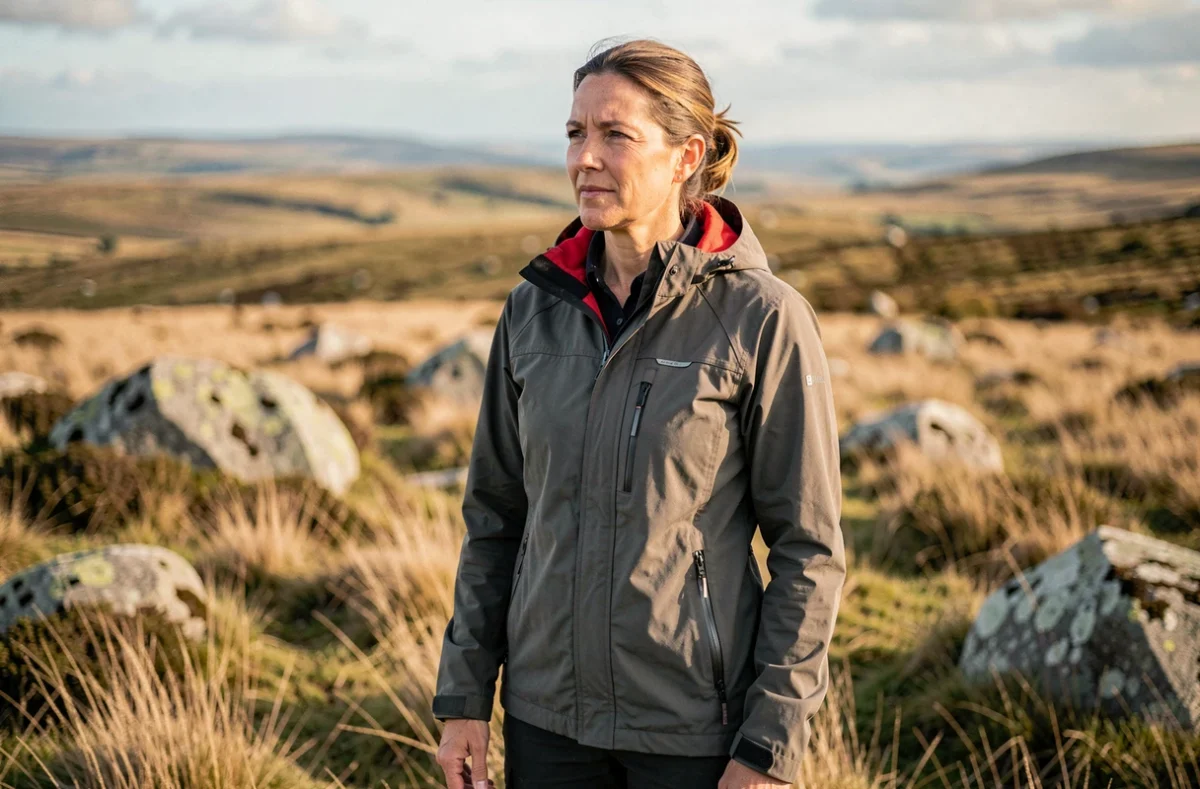
Sainte-Enimie, listed among the most beautiful villages in France, is best visited in spring or autumn. In summer, crowds in its medieval lanes detract from its charm. Spring offers both access to the gorges and fewer visitors, a balance confirmed by the seasonal table.
Aubrac and Cévennes: two landscapes, two seasons
The Aubrac plateaus put on a show of wild daffodils between May and June. In winter, the open, windswept landscape is suited to short but rugged walks. The Cévennes, on the southern slopes of Mont Lozère, are especially rewarding in October, when the chestnut trees turn russet and temperatures are still comfortable enough for hikes lasting several hours.
Mont Lozère itself, the highest point in the department, offers far-reaching views on clear days in any season. Weather conditions at altitude can change quickly: a sunny morning outing can turn stormy by early afternoon, even in June.
Planning a stay in Lozère therefore means weighing two factors: the changing landscapes through the seasons and the seasonal restrictions. Villages provide a year-round base, remaining accessible even when mountain areas close. The department rewards visitors who are willing to shift their dates or change their route at the last minute to suit actual conditions.