Choosing a hobby that lasts means taking stock of what you really want from your free time. Relaxation, intellectual stimulation and physical activity: these three areas call for different resources and come with different constraints.
A 2024 survey in the Grenoble area found that lack of time, lack of natural spaces and overcrowding were among the most frequently cited barriers to outdoor activities. Women, people on low incomes and people with reduced mobility reported more barriers. Choosing a hobby is therefore about more than personal taste: it also involves practical factors that are often underestimated.
Practical constraints and hobby choices: what the usual criteria overlook
Most hobby guides start from the same premise: identify what you enjoy, then find an activity to match. This approach overlooks a decisive factor: whether the activity is actually feasible. Four variables affect whether a hobby is sustainable long before you consider how much you enjoy it.
| Constraint | More demanding hobby | Accessible alternative |
|---|---|---|
| Limited time (less than 2 hours per week) | Group class at a gym, including travel time | Drawing, reading, writing — easy to fit into short sessions at home |
| Tight budget | Club sport with membership fees and equipment | Walking, yoga videos, balcony gardening |
| Reduced mobility | Mountain hiking, climbing | Seated activities (pottery, board games, music) |
| Far from suitable facilities | Activity in the city centre or at a specialist venue | At-home hobbies or activities nearby outdoors (photography, nature watching) |
This table does not rank activities by value. It highlights a common pattern: people rarely give up a hobby because they lose interest; more often, logistical hurdles get in the way. In its 2024 Barometer, published in 2025, Santé publique France reports that only some adults say they regularly take part in physical activity during their leisure time. Consistency depends less on initial motivation than on whether the activity fits with everyday circumstances.
Exploring hobbies on Pendant ce Temps makes it easy to find activities by format and theme, helping you narrow down your options.

Three complementary types of hobbies for everyday life
In a 2025 article for Psychology Today, psychologist Mark Travers suggests a simple framework: a physical hobby, a creative hobby and an intellectual hobby make up a trio that can meet an adult’s need for balance. The idea is not to add three more activities to your schedule, but to make sure your free time includes all three, even in small ways.
Physical hobbies: consistency matters more than intensity
Walking for thirty minutes near home three times a week can have measurable effects on stress and sleep. Swimming, dancing and cycling can work just as well, as long as the routine is manageable. A physical hobby chosen for convenience is more likely to stick than an ambitious sport pursued only sporadically.
Creative hobbies: a space free from judgment
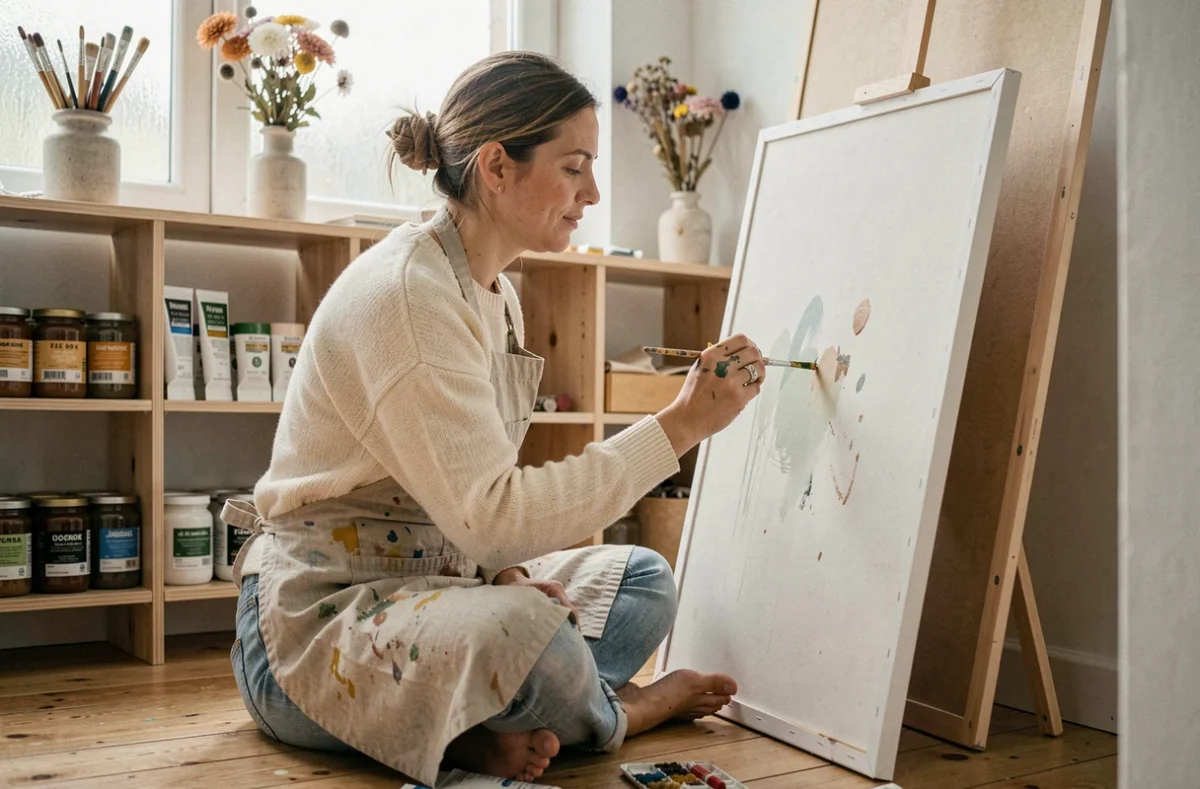
Writing, drawing, cooking, sewing and photography all have one thing in common: they involve neither competition nor external performance targets. Their value lies in the process, not the result. For people whose working lives are packed with measurable goals, these hobbies offer a welcome counterbalance.
Intellectual hobbies: curiosity as a driving force
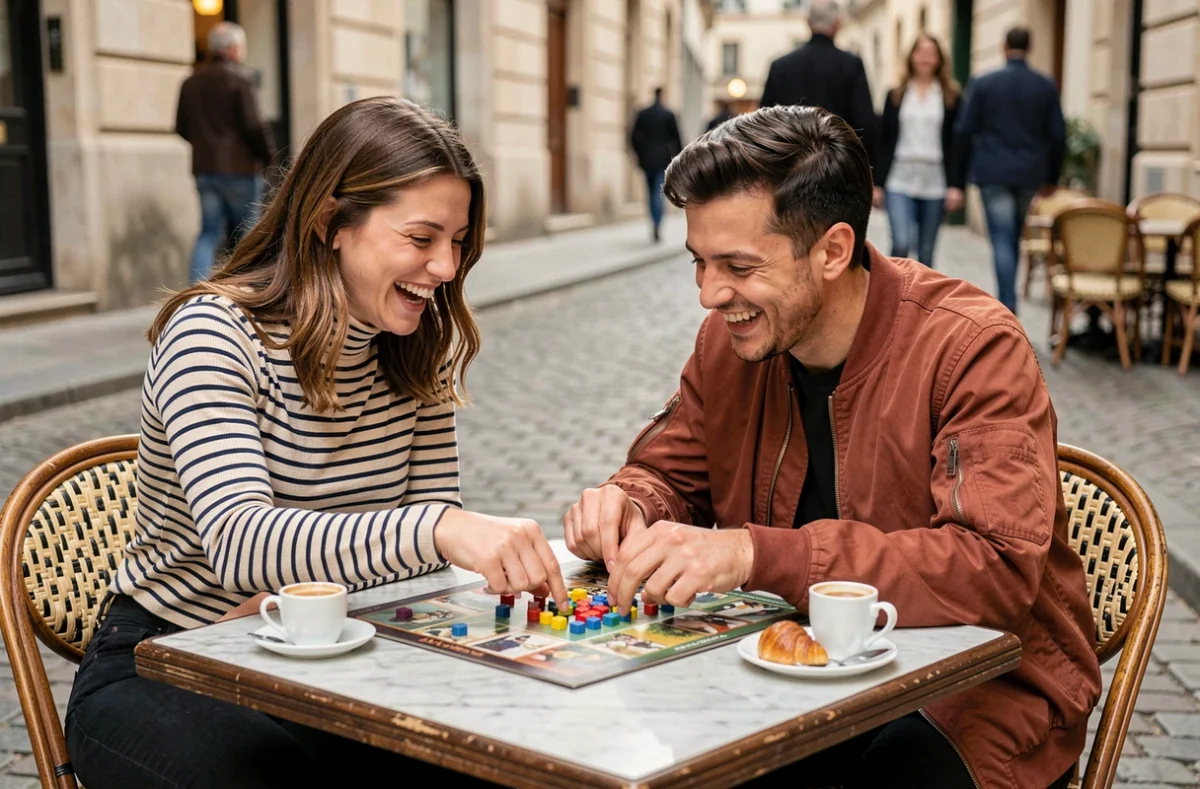
Reading, documentary podcasts, strategy games and learning a language stimulate the mind without placing physical demands on the body. You can enjoy them while commuting, on your lunch break or before bed. Cultural hobbies can also open the door to new discoveries—a book about botany, for example, might inspire you to take up gardening.
Budget and available support: the pass Culture in 2025
Cost remains a real barrier to taking up certain hobbies. Since 1 March 2025, the pass Culture has included an individual allowance for young people to spend as they choose, and a collective allowance for activities organised by teachers. This reform is aimed at a specific group (young people who meet the scheme’s eligibility requirements) and is not a universal leisure budget.
For adults, it is worth making a list of free or low-cost options:
- Public libraries lend books, films, board games and sometimes musical instruments, often with no membership fee
- Local sports and cultural associations often offer reduced rates based on household income
- Free video tutorials cover a wide range of activities, including drawing, cooking, yoga, woodworking and creative writing
A free or low-cost hobby is not a second-rate hobby. Walking, reading library books or drawing with a pencil require almost no investment and are among the activities people do most regularly.
Fit your hobby to your lifestyle without turning it into an obligation
The barriers identified in the 2024 Grenoble-area survey, particularly lack of time, are a reminder of a common trap: turning a hobby that is meant to help you unwind into yet another obligation.
A few practical pointers can help you avoid this:
- Choose short, frequent sessions (twenty minutes several times a week) rather than one long, infrequent session
- Pick an activity you can do at home or within a fifteen-minute journey to reduce logistical hurdles
- Be willing to switch activities if you stop enjoying them, without feeling guilty about the time or money you have already invested
- Don’t aim for constant improvement: a hobby can stay at the same level and still be just as worthwhile
The most reliable test is simple: after a session, do you feel more or less tense? If an activity creates more organisational stress than it relieves, it is not serving as a hobby, no matter how beneficial it is said to be. Choosing a hobby that fits your everyday life starts with recognising that the conditions in which you do it matter just as much as the activity itself.