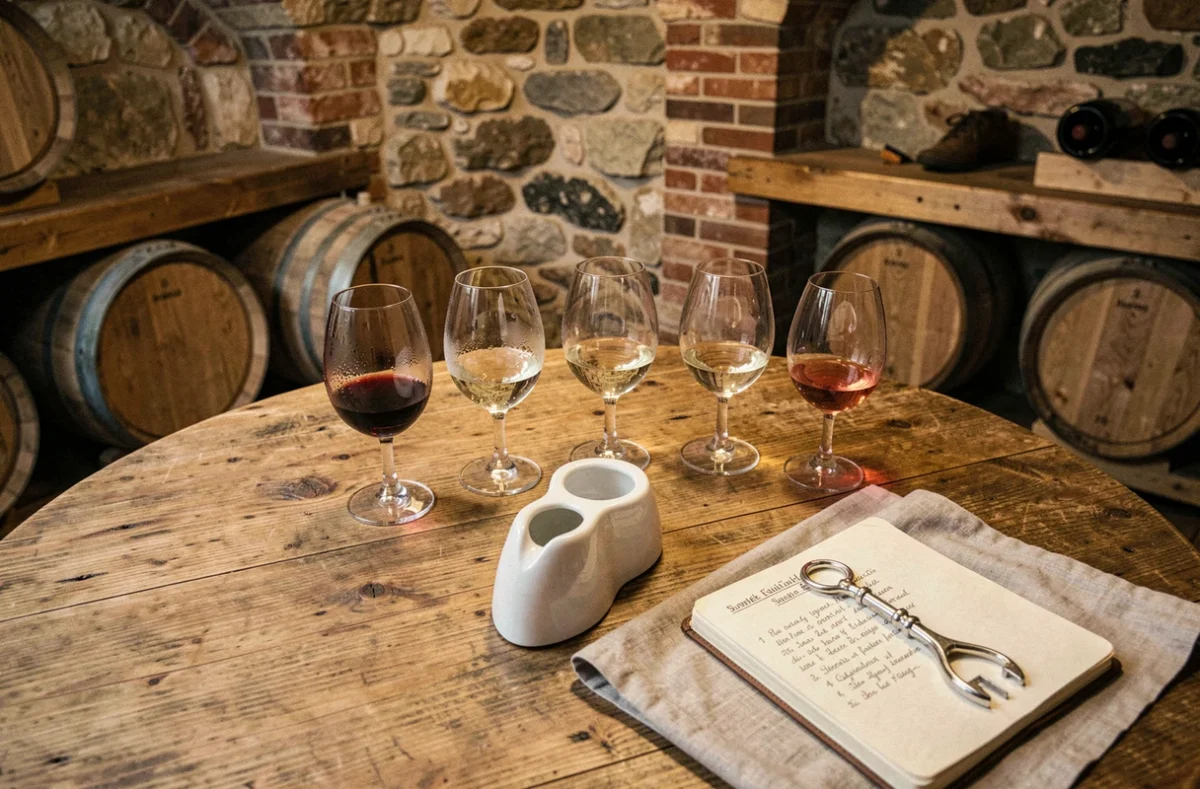
A wine tasting relies on the ability to perceive subtle differences between two glasses. This ability depends less on the palate than on the equipment used: the same wine served in a cup or in a tulip glass will not reveal the same aromas. Choosing the right equipment for wine tasting means eliminating extraneous variables (temperature, oxidation, shape of the container) to focus solely on the wine itself.
Samples under inert atmosphere: a format that changes the tasting logic
Competitors consistently talk about decanters, corkscrews, and glasses. None address a fundamental change: the possibility of tasting without opening an entire bottle.
French repackaging solutions offer samples of 2 to 10 cl under inert atmosphere, with dissolved oxygen maintained below 5 ppm. This threshold preserves the organoleptic qualities of the wine for several months, allowing for the comparison of a dozen vintages without uncorking as many bottles.
This format meets practical needs: remote training, comparative tastings among friends dispersed geographically, or simply the desire to taste a wine before buying a case. According to Vinovae, transporting these small formats can significantly reduce shipping costs and cut the carbon footprint by 50 compared to a standard glass bottle.
To complete its range beyond classic formats, consulting the equipment on the 75cl website allows you to discover accessories suited to each tasting configuration.
Tasting glasses: why the shape of the rim dictates the perceived aromas
The glass is the only accessory that directly affects sensory perception. Its geometry alters the surface area of contact between the wine and the air, directing the flow of liquid to specific areas of the tongue.
Tulip glass and INAO glass
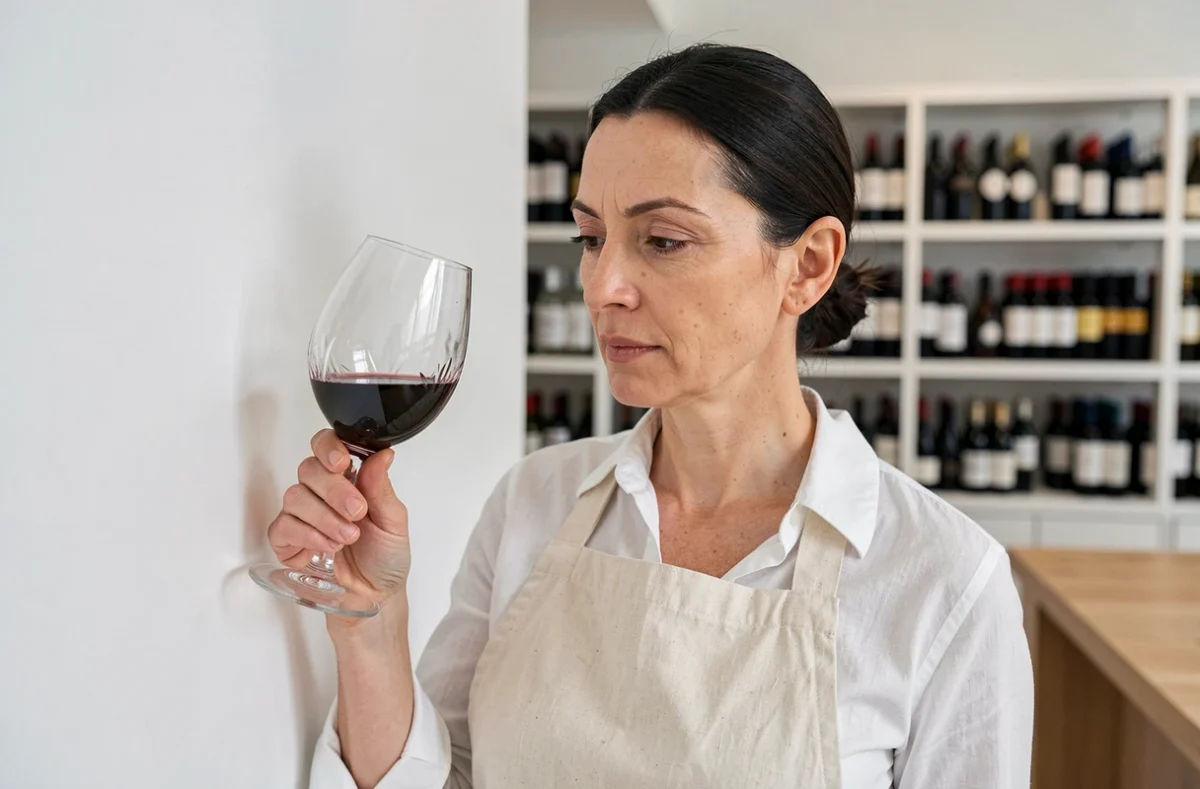
The INAO glass (ISO standard 3591) remains the reference for professional tastings. Its ovoid bowl and narrow opening concentrate the volatile aromas just above the glass. It standardizes tasting conditions, making it useful whenever comparing multiple wines.
For home tastings, a tulip glass with a stem is sufficient. The stem prevents warming the wine with the hand, and the flared bowl allows for moderate aeration. One often overlooked point: the finesse of the upper rim influences the first sensation in the mouth. A thick rim creates a mechanical barrier, while a thin rim allows the wine to glide directly onto the tongue.
One glass per type of wine, really useful?
High-end ranges offer specific glasses for each grape variety. This specialization has a real basis (a red Burgundy served in a wide bowl develops its aromas better than in a narrow glass), but it only makes sense for regular and comparative use. For the majority of tastings, two formats cover the needs:
- A wide-opening glass for full-bodied reds and wines that benefit from long aeration
- A more tapered glass for whites, rosés, and light reds, to concentrate fresh and floral aromas
- The INAO glass for blind tastings, where the neutrality of the container is paramount
Serving temperature: the thermometer changes the wine more than the decanter
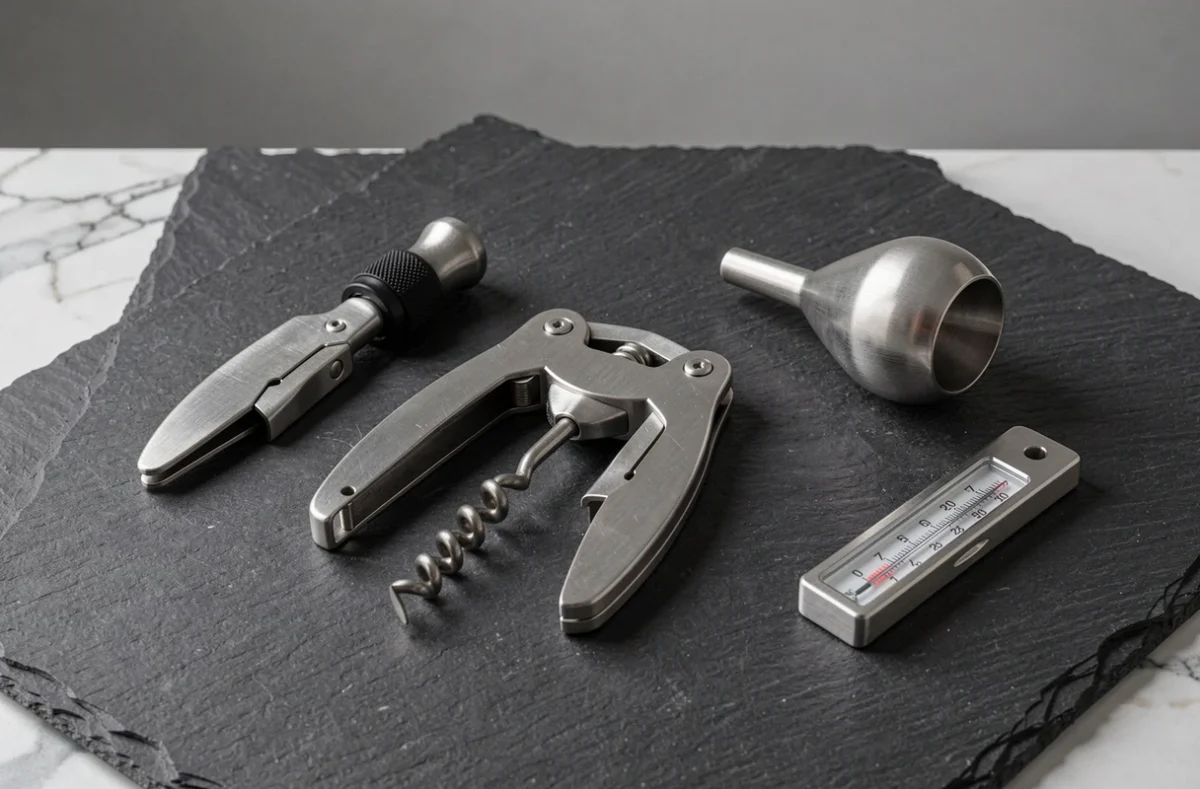
Serving a red from the Rhône Valley at room temperature in summer essentially means drinking it around 25 °C, well above its suitable range. At this temperature, the alcohol dominates, the tannins seem soft, and the aromas become muddled. A wine thermometer costs a few euros and corrects this problem immediately.
The operational rule is simple: whites and rosés are served chilled, light reds slightly below room temperature, and powerful reds a few degrees below what most people imagine. Checking with a thermometer allows you to see the gap between perception and reality.
A cooling sleeve placed around the bottle maintains the temperature during service, avoiding the need to return the bottle to the refrigerator between each glass. For long tastings with multiple bottles, this accessory makes more of a difference than a sophisticated corkscrew.
Decanter and aeration: when decanting benefits the wine and when it harms it
Decanting a wine involves increasing its surface area of contact with air to accelerate controlled oxidation. Tannins soften, and some closed aromas are released. Not all wines react the same way.
A young, tannic wine almost always benefits from being decanted one to two hours before serving. Older wines, on the other hand, are fragile: too rapid oxidation can mute aromas developed over years in the bottle. For these wines, a simple decanting for a few minutes to separate the sediment is sufficient.
- Wide-bottomed decanters maximize the aeration surface area and are suitable for young, structured reds
- Narrow “duck” decanters limit contact with air and are suited for more evolved wines
- An air aerator offers instant aeration at the moment of serving, useful when time is short
Corkscrew and preservation: the details that protect the bottle
The double-lever sommelier corkscrew remains the most reliable model for extracting a cork without breaking it. Its long spiral is suitable for the vast majority of corks, including those that have dried out after insufficient vertical storage.
For old vintages where the cork may crumble, the two-pronged corkscrew (known as “ah-so”) slides between the cork and the neck without piercing the cork. This model requires a bit of practice but prevents cork pieces from ending up in the wine.
After opening, the preservation of the remaining wine depends on the amount of oxygen present in the bottle. A vacuum pump removes some of the air and slows oxidation for one to three days. Neutral gas (argon) systems offer longer protection but represent a higher investment. The choice depends on how often bottles remain unfinished.
European regulations on packaging, with the first general rules applying from August 2026, could gradually change the containers available on the market. Anticipating these changes by diversifying tasting formats (classic bottles, small containers, preservation systems) is a pragmatic approach for regular enthusiasts.