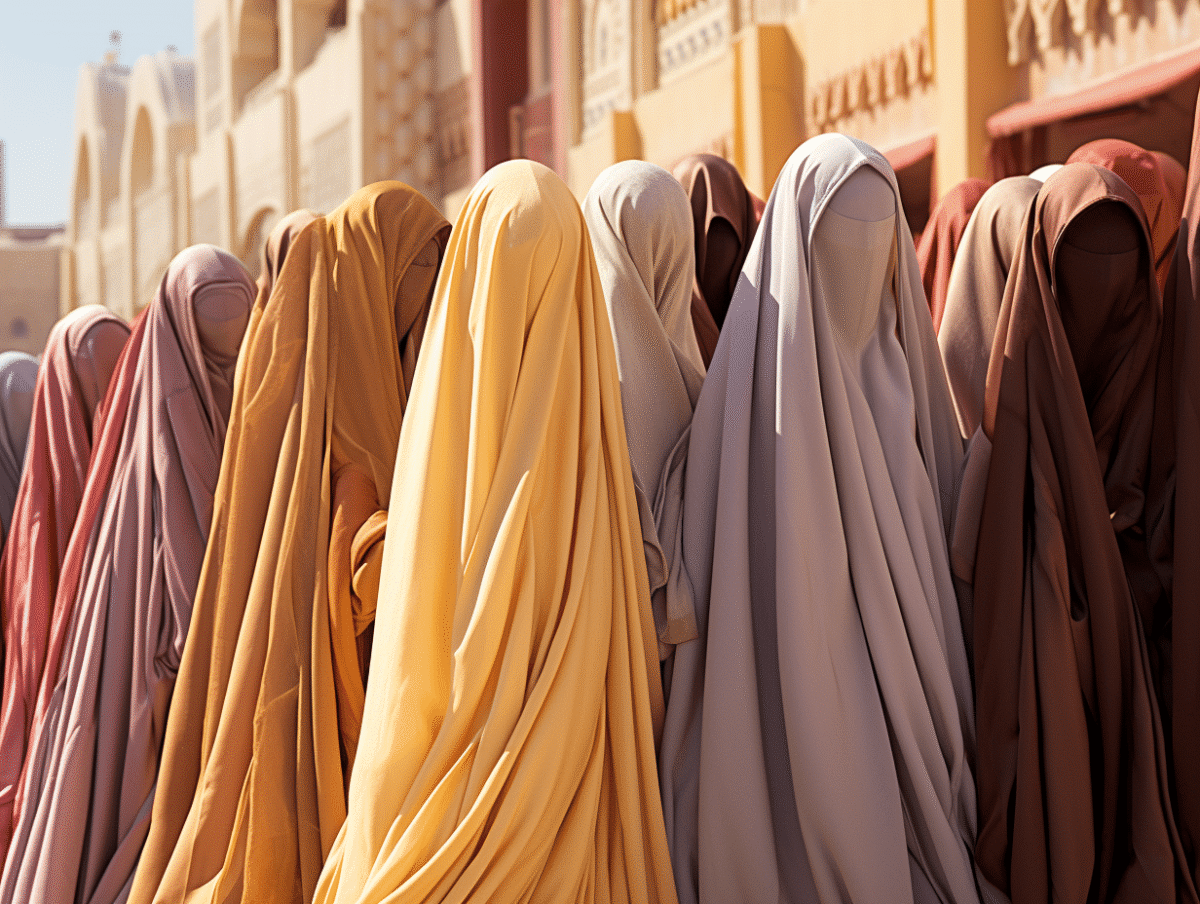
When preparing for a trip to Saudi Arabia, be sure to familiarize yourself with the country’s cultural norms, particularly regarding clothing. This Middle Eastern kingdom, the birthplace of Islam and marked by conservative traditions, requires visitors to adhere to strict dress codes. For both women and men, it is important to choose outfits that cover the arms and legs and to adopt a modest appearance. By researching and respecting these cultural codes, travelers can have a rewarding experience while showing respect to the local population.
Understanding the Evolution of Dress Codes in Saudi Arabia
The dress culture in Saudi Arabia is closely linked to Islam, the state religion that shapes the social and legal norms of the country. Historically, garments such as the abaya for women and the thobe accompanied by the ghutra for men reflect a society that respects Islamic principles advocating modesty. The religious police, known as Moutawa, were once responsible for strictly enforcing these norms.
Contemporary Saudi Arabia, driven by reforms, is beginning to observe some flexibility. Saudi authorities are gradually easing restrictions, as evidenced by the diminishing role of the Moutawa and the opening to international tourists with more lenient visa requirements. This evolution is part of a modernization context and a quest for economic diversification, offering a more welcoming image of the kingdom.
The niqab and hijab, while still predominant, are no longer undisputed legal obligations, allowing women some latitude in their dressing. Tips for Dressing in Saudi Arabia now advise decent outfits without imposing full coverage of the face or hair for women, especially in urban and tourist areas.
Visitors should, however, remain aware of regional differences within the country. While major cities like Riyadh or Jeddah may exhibit some openness regarding clothing, more conservative regions and places of worship require strict adherence to traditions. Consulting with Saudi embassies and consulates before traveling remains a wise step to obtain up-to-date information and avoid any cultural faux pas.
Practical Tips for Dressing While Respecting Local Customs
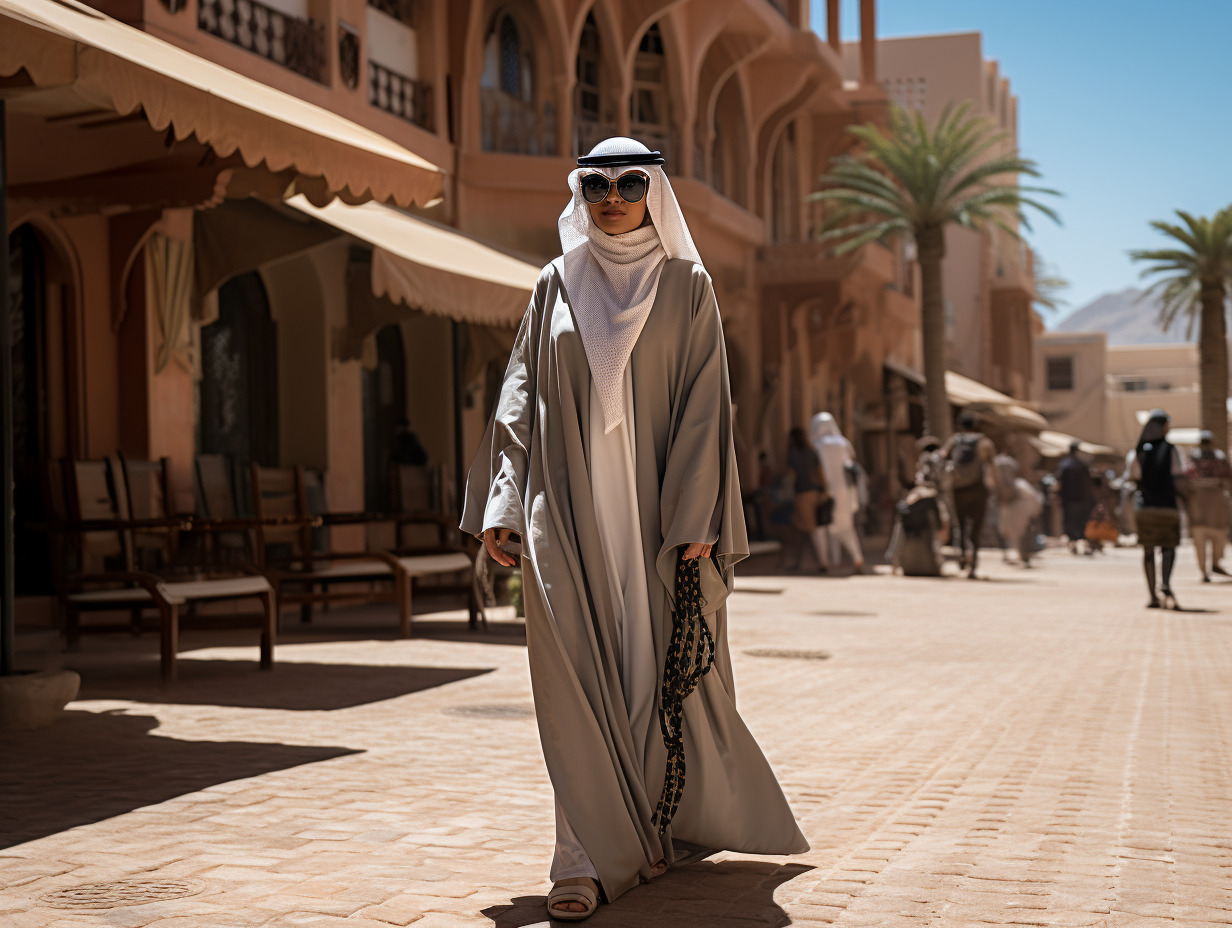
In the context of a stay in Saudi Arabia, whether you are a tourist or an expatriate, respecting local dress customs is a sign of consideration for the country’s culture. The clothing worn should reflect standards of modesty: for women, this translates to wearing the abaya, a long lightweight coat, usually in black, that covers the entire body except for the face, feet, and hands. Although wearing the niqab or hijab is not a legal obligation for non-Muslims, it is still advisable to opt for outfits that do not reveal the shoulders or legs.
Men, for their part, are encouraged to wear equally respectful attire. The thobe, a loose traditional garment that reaches the ankle, is a wise choice for formal occasions or visits to places of worship. In a more informal setting, men can opt for long pants and long-sleeved shirts. For significant events, the bisht, a type of open coat worn over the thobe, is often required.
Consider the climate in Saudi Arabia: hot and arid with little precipitation, it necessitates lightweight and breathable clothing to stay comfortable. Expatriates living in compounds generally have more freedom in their clothing choices within these residential enclaves. Once they step outside, it is advisable to adopt attire that aligns with societal expectations. Saudi embassies and consulates can provide additional and up-to-date advice for travelers uncertain about appropriate attire.