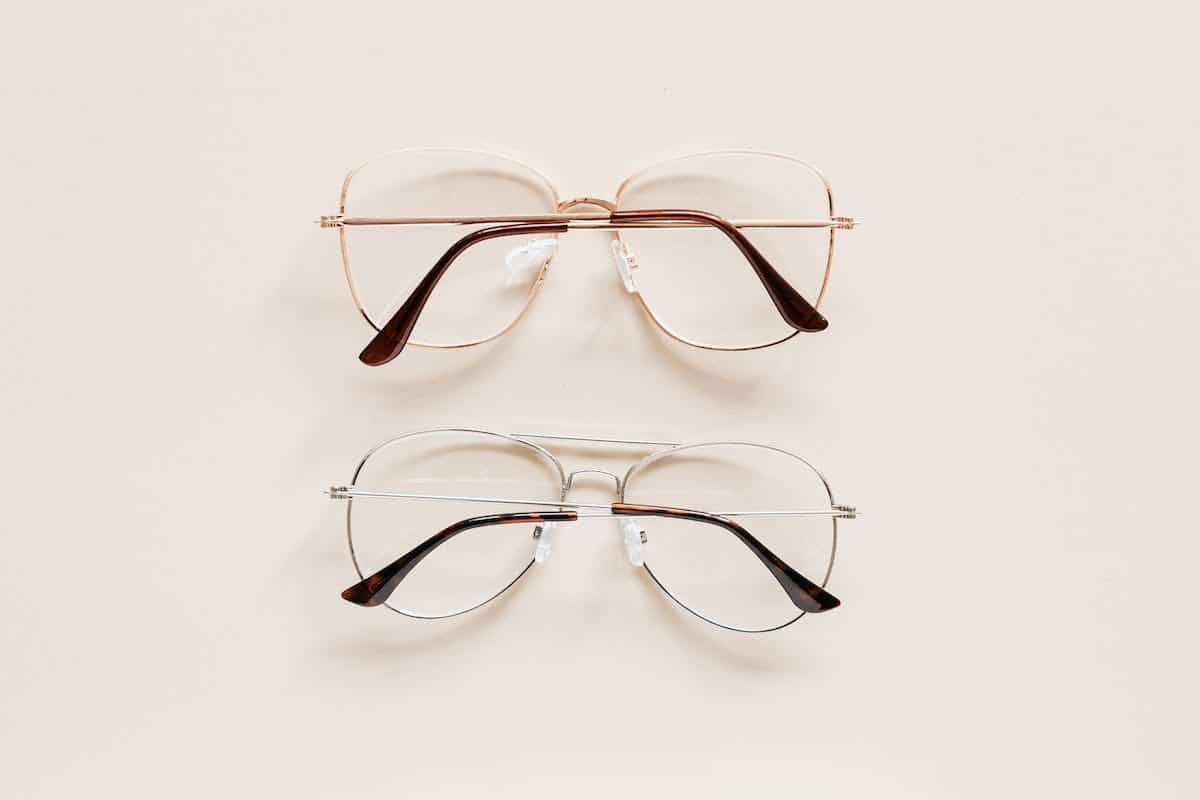
In the world of glasses, the main element is the corrective lens. These come in many types, with a variety of characteristics, making the choice complex for newcomers. That’s why it’s important to understand the differences between single vision lenses and complex lenses to make an informed choice. Single vision lenses, generally designed to correct a single visual defect, contrast with complex lenses, which are designed to address multiple vision problems simultaneously. This guide aims to uncover the subtleties of these two categories, with the goal of helping the reader navigate this specific universe.
Single Vision Lenses: Everything You Need to Know
The characteristics of single vision lenses are relatively straightforward to understand. They are designed to correct a single visual defect, such as myopia or hyperopia. These lenses have a single optical power that allows light to focus on the retina, thereby improving vision.
In contrast, complex lenses offer a more advanced solution for individuals with multiple vision problems. These lenses take into account several optical corrections, such as the need for correction for different distances (near and far vision) or the correction of astigmatism.
The choice between the two types will therefore depend on the individual needs of the wearer. If you only have one vision problem to correct, a single vision lens may be sufficient. If you have multiple visual impairments or want a more comprehensive and personalized solution, a complex lens would be preferable.
You should also consider other factors such as the wearer’s lifestyle: screen work, frequent driving… In certain specific cases where some eye disorders require real-time adaptive correction (such as in the case of presbyopia), choosing equipment with an integrated progressive system might be wise.
Potential wearers are advised to visit their optician to obtain a tailored prescription to their specific needs and receive professional recommendations regarding which type of lens to use.
In this ultimate guide on the differences between single vision and complex lenses, it should be emphasized that the choice will depend on the individual needs of the wearer, their daily routine, and the advice of optical experts. With a clear understanding of these differentiations, you will be able to make an informed decision that will enhance your vision and your visual comfort.
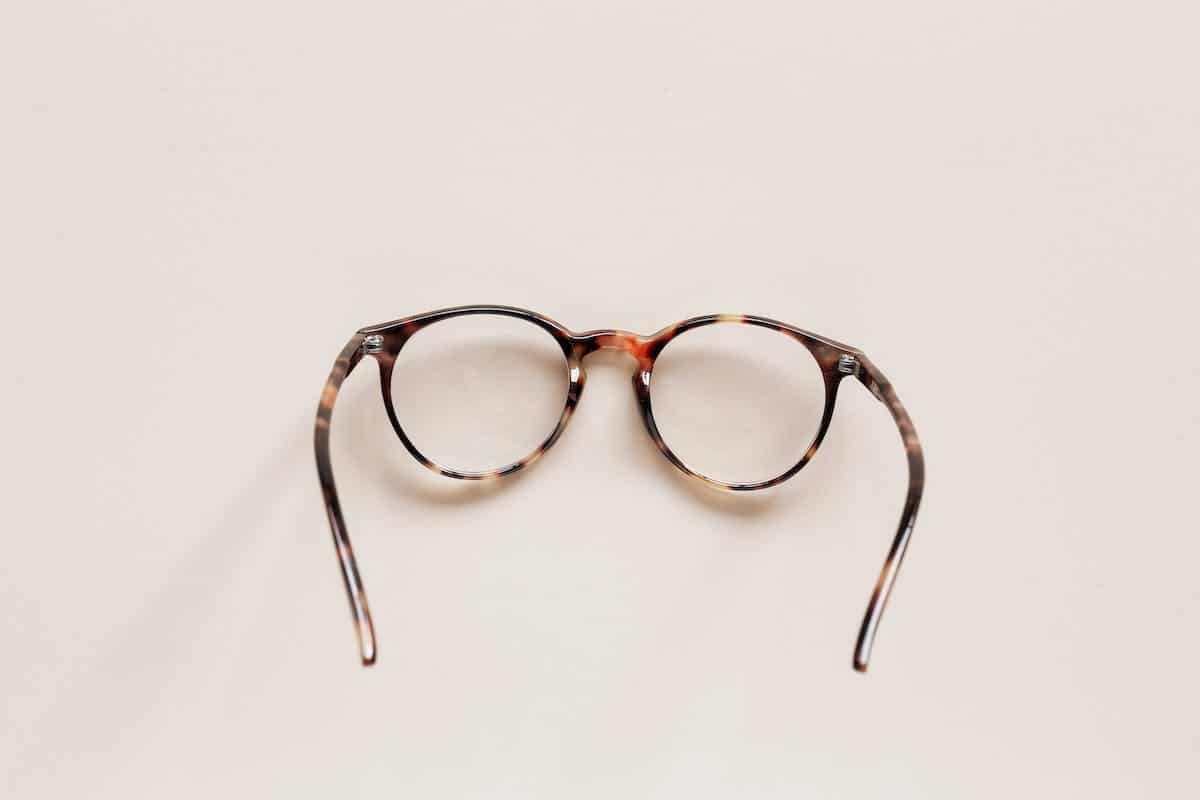
The Characteristics of Single Vision Lenses Revealed
Single vision lenses certainly have distinctive characteristics that differentiate them from complex lenses. Their design is simpler since they require only a single optical power to correct a single visual defect. This means that if you suffer from myopia or hyperopia, for example, a single vision lens may be sufficient to improve your vision.
Due to this simplicity, single vision lenses are generally thinner and lighter than their complex counterparts. They can therefore be more comfortable to wear for long periods without causing excessive eye strain.
Another advantage of single vision lenses is that they are often less expensive than complex lenses. Their manufacturing process being less complex, they are accessible to a wider range of budgets.
It is important to mention some potential limitations of single vision lenses. Since they only take into account one visual problem at a time, they are not suitable for individuals requiring multiple optical corrections. For example, if you suffer simultaneously from myopia and astigmatism, a single vision lens will not be able to effectively correct both issues.
It should be emphasized that the choice between single vision and complex lenses entirely depends on the individual needs of the wearer as well as the professional recommendations provided by the optician after a thorough evaluation of the patient’s vision.
Before making any decisions regarding the type of lenses to use to improve daily vision and visual well-being, it is strongly recommended to consult an eye care professional. This crucial step will ensure an appropriate and accurate prescription based on each specific case.
Understanding the differences between single vision and complex lenses is essential for making the informed choice that will meet the individual needs of the wearer. Whether it’s a single visual defect or multiple corrections required, the ultimate goal remains the same: to improve vision and provide optimal comfort on a daily basis.
Decoding Complex Lenses: What You Need to Remember
Complex lenses, on the other hand, have more advanced characteristics and are designed to meet more specific visual needs. They are often used by people suffering from complex eye disorders such as astigmatism, presbyopia, or diplopia.
One of the main features of complex lenses is their ability to correct multiple visual problems simultaneously. For example, a complex lens can be made to correct both myopia and astigmatism in the same lens. This provides a practical solution for individuals who need multiple corrections.
Complex lenses generally offer clear and sharp vision across the entire surface of the lens, significantly enhancing the overall visual experience. Unlike single vision lenses, they can take into account different optical parameters such as frame tilt, pupillary distance, or usage position to optimize visual performance.
Another major advantage of complex lenses lies in their ability to provide comfortable vision at different viewing distances.
Making the Right Choice: Single Vision or Complex Lenses
When considering whether to choose single vision lenses or complex lenses, it is important to take into account your specific visual needs. If you have a simple eye correction, such as mild myopia or hyperopia, single vision lenses may be sufficient to improve your vision.
If you suffer from more complex visual disorders such as astigmatism or presbyopia, complex lenses offer a solution that is better suited to your needs. These lenses are designed to correct multiple optical problems simultaneously, greatly enhancing your visual experience.
Another factor to consider is the level of demand you have regarding your vision. If you are particularly attentive to details and seek superior optical quality as well as sharp vision across the entire surface of the lens, then complex lenses are generally recommended.
It is important to note that the prices of complex lenses are often higher. Financial considerations may play a role in your decision. First and foremost, working with a qualified vision professional could greatly assist in clarifying this decision-making process. Your optician will likely be able to address your specific needs. Complex lenses can make a significant difference in your daily life and your overall perspective.